


This solution is designed to simplify and secure NFC-based collectibles. By embedding an NFC tag in each collectible and linking it to its digital identity on the blockchain, authenticity is ensured. With AR implementation, users can now experience their collectibles in an immersive and interactive way, bringing the digital and physical worlds together.
Unity-Flutter Integration for AR Functionality
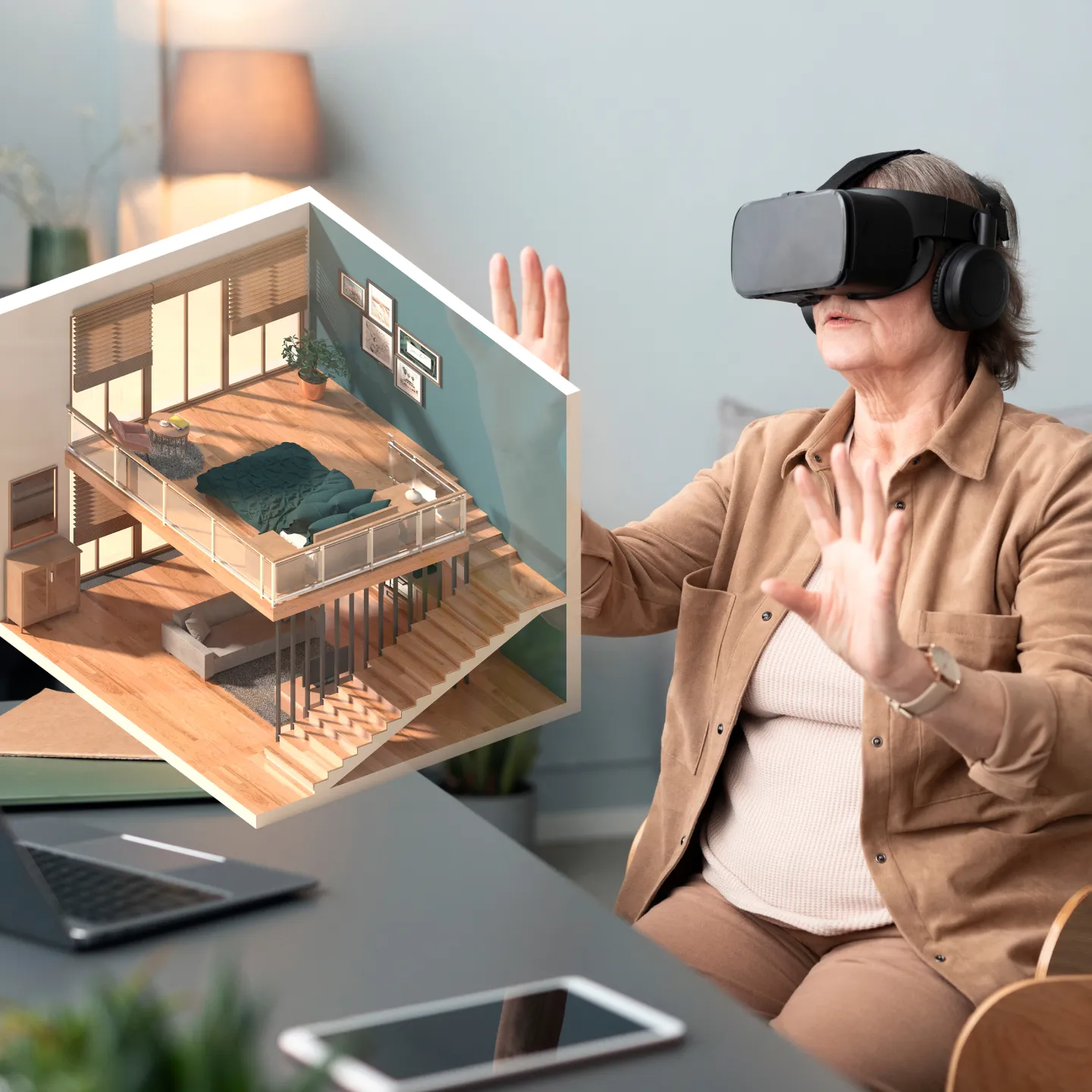
The platform brings a revolutionary approach to authenticating NFC collectibles. Each collectible comes embedded with a unique NFC tag that connects to its verified digital identity on the blockchain, ensuring security, transparency, and trust. But the goal wasn’t to stop at just authentication. To create a richer, more engaging user experience, Augmented Reality (AR) was introduced. Now, users can see, explore, and interact with their collectibles in immersive 3D environments, bridging the gap between the digital and physical worlds. This journey wasn’t simply about adding a feature, it was about pushing boundaries, overcoming technical challenges, and achieving a milestone we are truly proud of. By combining blockchain for trust and AR for engagement, this solution delivers both security and interactivity, setting a new standard in the collectibles space.
Challenges We Faced

Our first attempt used Flutter’s AR libraries. We quickly realized that they lacked advanced features and performance for complex AR interactions.

We then moved to ARCore (Android) and ARKit (iOS). While powerful, managing two separate native codebases increased complexity and slowed progress.

Finally, we integrated Unity for AR development and connected it with Flutter for the app’s main framework. This gave us robust AR performance with the flexibility of Flutter’s UI.

Rendering AR experiences required balancing smooth performance with device limitations. Optimizing memory usage and frame rates was a key technical challenge.

Ensuring that AR behaved the same way across different devices and operating systems demanded constant testing and fine-tuning.
Advanced stack behind smarter sales outreach


Phase 1: Experimenting with Flutter
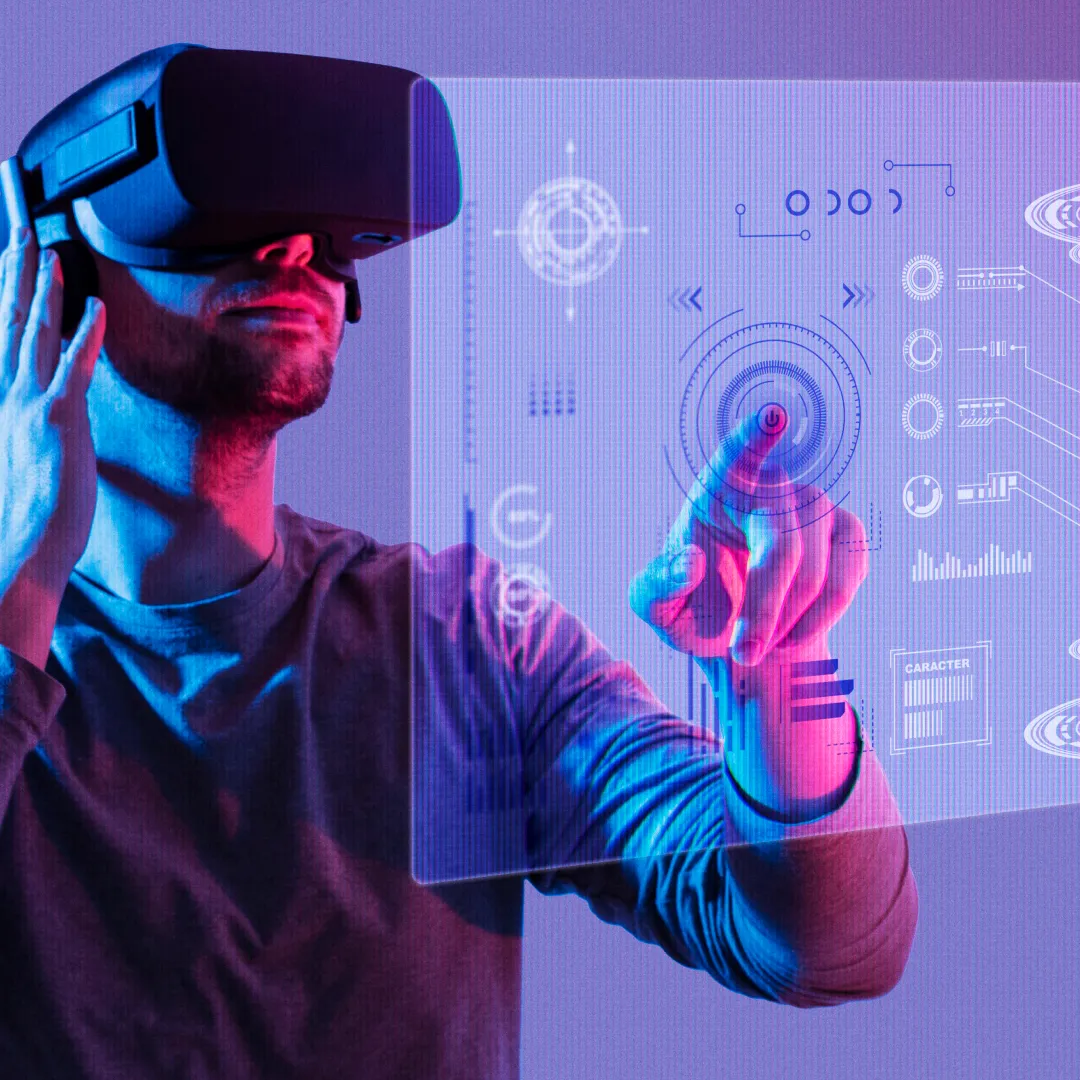
We started with Flutter AR plugins, which worked for basic demos but soon showed limitations—low performance, restricted features, and difficulty handling complex 3D interactions.
Phase 2: Transitioning to Native AR
Next, we explored ARCore (Android) and ARKit (iOS). These gave us richer AR features, but the drawback was maintaining two separate codebases, which made scaling and updates harder.
Phase 3: Unity–Flutter Integration
Finally, we chose Unity for AR and integrated it into our Flutter app. This gave us cross-platform AR functionality, smoother performance, and a unified workflow.
Results & Impact:
• 99.5% authentication accuracy rate
• 70% reduction in counterfeit product complaints
• 50,000+ collectibles authenticated in first year
• 4.8-star user rating for AR experience
• Integration with 3 major authentication databases
Business gains fueled by intelligent automation
With immersive AR features, users can interact with their collectibles in new and exciting ways, leading to higher engagement and long-term retention.
By combining blockchain verification with AR visualization, the solution ensures authenticity, helping users build greater confidence in their collectibles.
Our Unity-Flutter integration delivers a seamless AR experience on both iOS and Android, eliminating the need for separate solutions.
The system is designed with future growth in mind, making it easy to expand with new AR features and support more complex use cases.
Discover more successful projects we've delivered across diverse industries and technologies. Explore how Saturncube transforms business ideas into scalable web, mobile, AI, and enterprise solutions that drive real business growth.
Receive updates, insights, and useful tech information directly in your email.